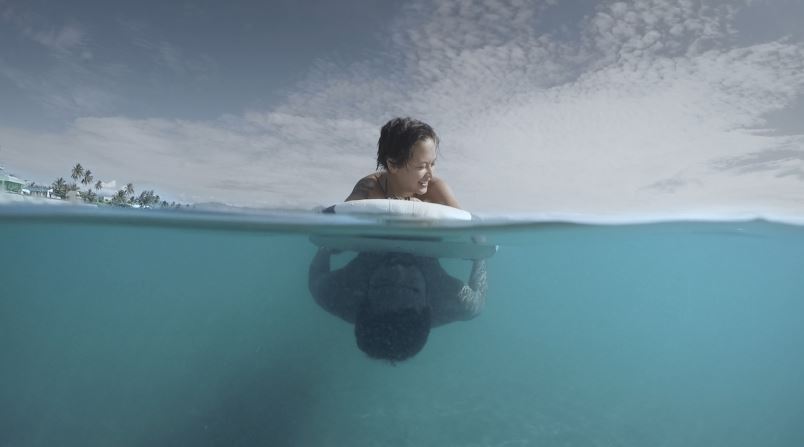
Apocalypse Child (a 2015 Filipino film currently streaming on Netflix) takes off with a view of the beaches of Baler, with a voiceover narrating the myths enveloping Baler and its people: a tsunami swept over the municipality of Baler leaving only 7 surviving families; the production crew of the movie Apocalypse Now left a surfboard that fell to the hands of 5 children who learned surfing and later became the first surfing champions in the country; and that the director of that movie, Francis Ford Coppola, sired a son named Ford (Sid Lucero) by Chona (Ana Abad Santos) who was only 14 years young. And as usual myths go, they are actually half-truths.
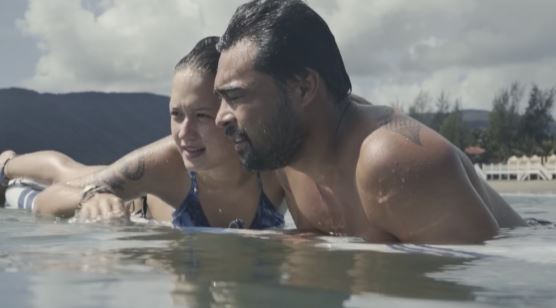
The movie presents us with characters escaping from harsh realities of the past by believing in alternative narratives to hide and bury their pain, stories that are tweaked to legendary degrees to suit the imaginary world they want to live in. And yet, everything feels so real, making it a victorious employment of the art of film-making (the script is powerful to start with). Nothing much is said about their back stories, but enough to understand and feel the pain they’re going through. The film focuses more on the current state of their lives, and the impact the past has on their present feelings, decisions, and actions. And it doesn’t matter if the past is quite hazy, because there is no mystery anyways between the characters—they understand where each is coming from. They know that they have hurt. They know whom exactly they have done wrong. And the viewers will not be lost on what’s going on; they will get hooked.
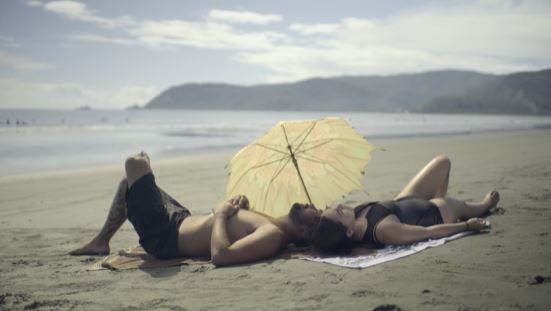
The film is so engaging despite seeming simplicity of what transpires on the screen. Simple conversations, though cryptic in nature, between characters feel like you’re just eavesdropping from another table. And then you’ll just realize that their stories will hit you, no matter how obscure the details are. And no matter how far you escape from reality, somehow, the ghosts from the past will manage to catch up with you, be they rape, teenage pregnancy, or child abuse. And despite the gravity of it all, there are no melodramatic scenes nor any sense of histrionics, making each scene more compelling and disarming.
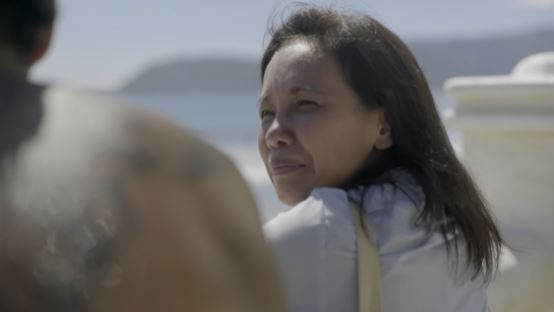
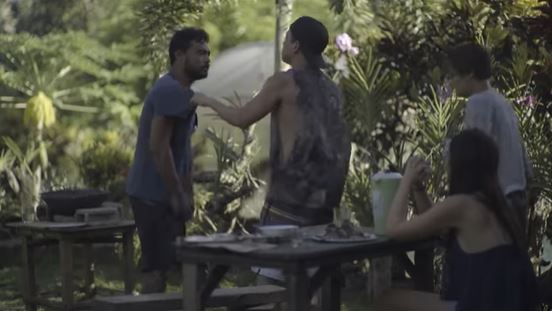
Apocalypse Child is superbly acted, especially by Ana Abad Santos as Chona, and Annicka Dolonius as Fiona. Santos’ Chona is such a complex character, a mother to Ford but acts more like a kabarkada due to her young age. You will empathize with her as she embraces the legend that she made out for herself and her son. Somehow, I see a younger Irma Adlawan in her. Santos’ talent is just overflowing. Dolonius’s Fiona is the youngest character, fresh and vulnerable, a surfing student who falls in love with Ford. She exudes a kind of sensuality that is both uninhibited and innocent. Fiona is the only one who seems to be living in reality as she doesn’t have a ghost from the past to haunt her present. But when she is slapped with the painful reality of being abandoned, will she tweak her story and build a myth to protect herself as she moves on with her life? Her breakdown scene will move you to tears, as you feel the tragedy of her heart. Sid Lucero as Ford is intense and cool at the same time. RK Bagatsing, on the other hand, plays it quietly and with substance as Ford’s best friend and enemy, Rich, who comes back to town as its new Congressman, and forces Ford to confront the truth about his past. And Gwen Zamora as Rich’s fiancée, Serena, completes this circle of characters with subtle yet formidable characterization of a woman who seems in control of her existence.
All these happen in a paradise that is Baler. And the surfing scenes are such visual treats. The cinematography is captivating but does not steal the show from the characters. And the soundtrack is just lovely, apt, perfect. All the elements seem to help one another and merge their strengths to come up with such a powerful film.
As they say, we are defined by the stories we tell, whether true, invented, or modified, depending on the impact they might have on our lives. Just like surfing—we tumble down through the waves, but we get up again on the board and continue surfing, without necessarily taking the same course.
 The Hungry Film Lover